Why Your Podcast Isn't Growing: Solutions Inside
Podcasting, Personal Branding, Podcast Growth
Why Your Podcast Isn't Growing (And the Fix)
If you’re an Indian podcaster staring at the same download numbers month after month, wondering why your podcast isn’t growing, you’re not alone. You’ve shown up, recorded, edited, posted on time (well, mostly), and still the graph looks flatter than a Mumbai local platform at 3 a.m. Let’s talk about why that’s happening — and how to fix it with a clear podcast strategy you can actually follow.
First, Let’s Be Honest: It’s Not Just You
Almost every creator hits a plateau. The early days feel exciting — a few friends listen, family forwards the link, maybe a colleague says, “Bro, this episode was fire.” Then, suddenly, the numbers just… stop. You keep publishing, but your podcast growth stalls. That’s the point where many Indian podcasters quietly give up, assuming they’re “not cut out for this.”
The truth? Your content probably isn’t bad. What’s missing is a clear, intentional podcast strategy — not just vibes and consistency. Once you understand where your show is leaking listeners, you can fix it. Let’s break down exactly what’s going wrong and how to grow your podcast without burning out or buying fake followers.
The Real Reasons Your Podcast Has Plateaued
1. You’re Talking to “Everyone”, So No One Feels It’s for Them
“My podcast is for everyone who wants to be motivated / learn business / improve their life.” That sounds noble, but it’s a growth killer. When the audience is vague, the content becomes generic. And generic content doesn’t get shared, binged, or remembered. If your ideal listener can’t look at your show and say, “Arre, this is exactly for people like me,” they’ll scroll past to something more specific.
Instead of “motivational podcast,” think “career growth stories for Indian women in their 20s” or “no-fluff marketing podcast for small D2C founders.” The sharper your target, the easier it is for the right people to find you — and stick around. This is the foundation of podcast growth that most creators skip in their rush to just start.
2. Inconsistent Publishing Has Broken Trust (Even If You’re “Busy”)
Let’s be blunt: if your last three episode dates look like this — 3rd Jan, 28th Jan, 19th Feb, 7th April — your listeners have no idea when to expect you. And when people can’t rely on you, they stop checking. In a world where there’s always a new show to try, inconsistency quietly kills loyalty. Even one solid episode every fortnight is better than three episodes one week and silence for a month after.
Consistency doesn’t mean daily uploads. It means setting an honest schedule that fits your life — and then protecting it like a non-negotiable meeting with your future self. Your audience doesn’t just subscribe to your podcast; they subscribe to your reliability.
3. Weak Hooks: Great Content Hidden Behind Boring Intros
Most people decide in the first 30–60 seconds whether they’ll stay or bounce. If your episode starts with “Hey guys, welcome back to my podcast, today we’re going to talk about something very interesting…” you’ve already lost half your new listeners. They don’t know you yet. They don’t owe you patience. They’re waiting for a reason to care — and you have seconds to give it to them.
Strong hooks are specific and benefit-driven: “If your manager keeps ignoring your ideas, this episode will give you three scripts to finally be heard.” Or, “By the end of this episode, you’ll know exactly how to get your first 1,000 podcast downloads without paid ads.” That’s how you turn casual clicks into committed listeners and grow your podcast steadily.
4. No Real Promotional Strategy (Posting Once on Instagram Doesn’t Count)
Many creators treat podcast promotion like a formality: one story, one post, done. Then they complain that “podcasts don’t work in India.” But your show is competing with Reels, YouTube, Netflix, and a thousand distractions. If you don’t repeatedly and creatively put your episodes in front of people, they simply won’t discover you — no matter how good your content is.
A real promotional strategy means planning how each episode will live beyond the audio file: clips, carousels, quotes, email, LinkedIn posts, WhatsApp groups, collabs, and community shoutouts. Discovery doesn’t happen by accident; it happens by design.
5. No Clear CTA: You Never Tell Listeners What to Do Next
Be honest: how often do you end with “So yeah, that’s it for today, hope you liked it, bye”? When you don’t give listeners a clear next step, they just drift away. A strong call to action (CTA) is not desperate begging; it’s guided momentum. You’re telling your audience, “Here’s how we stay connected and how you can get even more value.”
Examples: “If this helped, follow the show and share it with one friend who needs it.” Or, “Download the free checklist linked in the show notes so you can actually implement today’s podcast tips.” CTAs convert passive listeners into active community members — and that’s where real podcast growth begins.
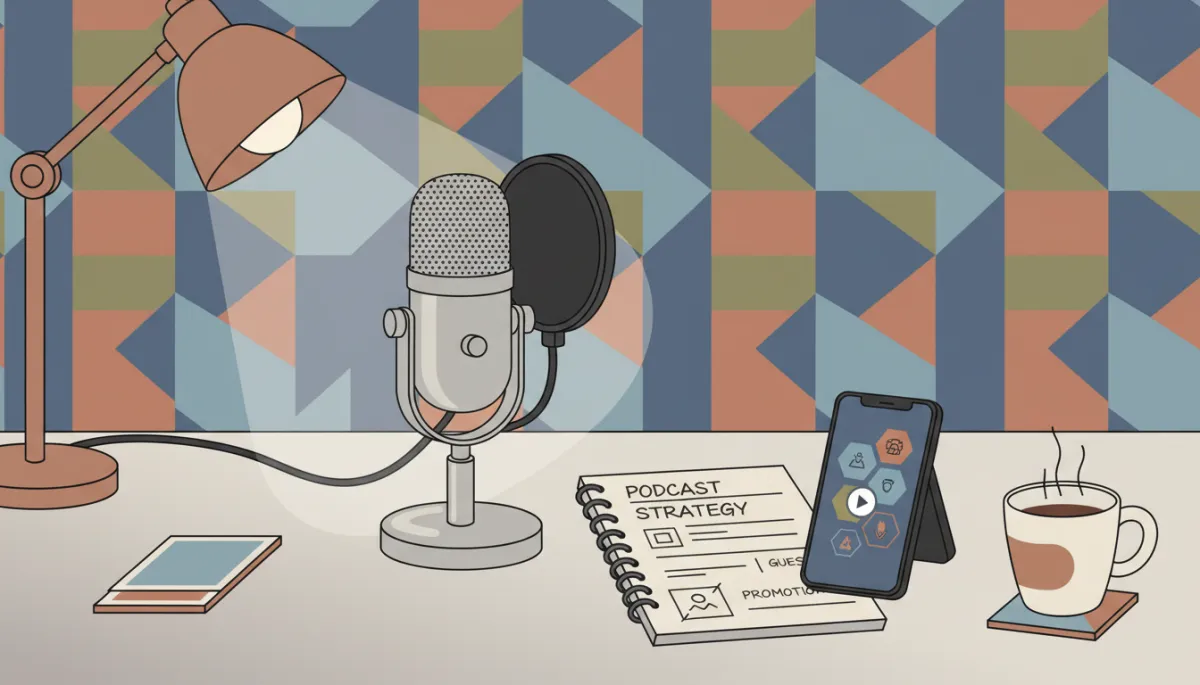
Intentional planning and repurposing turn one episode into weeks of discoverable content.
How to Diagnose Your Podcast’s Real Bottleneck
Before you fix anything, you need to know what’s actually broken. Otherwise, you’ll keep randomly changing cover art, mics, and formats while the real issue stays untouched. Here’s a simple way to diagnose your show in under an hour — no fancy tools, just honest reflection and your analytics app.
Check your first 5 minutes drop-off. If most listeners leave within the first few minutes, your hook and intro are weak. Work on sharper titles and stronger openings before you obsess over promotion.
Compare episode downloads over time. If older episodes keep getting slow but steady plays, but new ones don’t spike at launch, your promotion and consistency are the main issues — people aren’t being reminded you exist.
Look at listener location and device. If most of your audience is outside India but your examples and references are hyper-local, or vice versa, your positioning might be mismatched with who is actually listening. Time to refine your ideal listener.
Audit your last 10 episode endings. Did you give a clear CTA in even half of them? If not, your bottleneck is conversion — you’re not turning casual listeners into followers, reviewers, or community members.
💡 Reality check: Your bottleneck is rarely “the algorithm hates me.” It’s almost always unclear audience, weak hooks, inconsistent publishing, poor promotion, or missing CTAs. Fix those, and the algorithm suddenly looks a lot friendlier.
The One Thing That Actually Grows a Podcast: Community + Repurposing
Here’s the part most “hacks” ignore: podcasts don’t really grow because of platforms; they grow because of people. The fastest, most sustainable way to grow your podcast is by building a community around your show — and then repurposing your episodes so that community can discover, share, and engage with you everywhere they already hang out.
Community: From “Listeners” to “People Who Feel Seen”
As an Indian podcaster, your unfair advantage is cultural context. You understand the pressure of parents asking “Beta, podcast se kya hota hai?”, the chaos of recording in noisy homes, the guilt of choosing content over “secure careers.” When you speak to that reality, people don’t just listen; they feel understood. That’s the start of community.
Build simple touchpoints where listeners can talk back: an Instagram broadcast channel, a small WhatsApp group, a monthly live on YouTube or LinkedIn, or a simple newsletter. Ask questions, share behind-the-scenes, highlight listener wins, invite their stories. When people feel they belong, they naturally share your show — and that word-of-mouth is more powerful than any ad.
Repurposing: One Episode, Ten Pieces of Content
Most podcasters do this: record, edit, upload, one post, done. Then they say, “I don’t have time to create content for social media.” But your episode is already content gold — you’re just not mining it. Repurposing turns one 30-minute episode into multiple touchpoints that help new people discover you and old listeners remember you exist.
3–5 short Reels or YouTube Shorts with your best hooks or quotable moments
1 carousel summarising key podcast tips or frameworks
1–2 LinkedIn posts tailored for a more professional audience
A short email to your list with the main insight and direct link
When you combine community with repurposing, you stop shouting into the void and start building an ecosystem where your episodes actually travel. That’s modern podcast strategy — and it’s exactly how you grow your podcast without posting 24/7.
A Simple 30-Day Podcast Revival Plan
You don’t need a massive rebrand or expensive gear upgrade. You need one focused month where you treat your podcast like a serious project, not a side hobby you squeeze in “when there’s time.” Here’s a realistic 30-day plan designed for busy Indian podcasters juggling jobs, families, and traffic.
Week 1: Clarify, Audit, and Decide
Define your one listener. Write a 5–6 line description of your ideal listener: age, career stage, city tier, biggest struggle, what they want from your show. Every future episode should serve this person clearly.
Audit your last 5 episodes. Check titles, hooks, intros, CTAs, and drop-off. Identify the biggest weakness: targeting, consistency, hooks, promotion, or CTA. That’s your main bottleneck for now.
Choose a realistic schedule. Commit to either weekly or fortnightly episodes for the next 60 days. Put recording and editing slots in your calendar like actual appointments.
Week 2: Create Two Strong, Focused Episodes
Brainstorm 10 episode ideas that solve specific problems for your ideal listener. Pick the top two that feel most urgent and practical — not the most “creative,” the most useful.
Write tighter titles and hooks. Use formats like “How to <result> Without <pain>” or “3 Mistakes <your listener> Makes With <topic>.” Script your first 60 seconds so you don’t ramble.
Plan your CTA in advance. Decide one main action per episode: follow the show, share with a friend, join your WhatsApp group, or download a simple resource. Mention it clearly at the end.
Week 3: Repurpose and Promote Like You Mean It
Cut 3–5 short clips from each episode for Reels, Shorts, and LinkedIn. Focus on “aha” moments, strong one-liners, and relatable stories — not just long explanations.
Post about the episode multiple times. One post for the hook, one for a quote, one for a behind-the-scenes story, one asking a question related to the episode. Link back to the full audio every time.
Personally share with 20–30 people. Send a thoughtful message (not spam) to friends, colleagues, or community members who would genuinely benefit. Ask them for feedback, not just listens.
Week 4: Build Community Touchpoints and Review
Create one simple community space. This could be a WhatsApp group, Instagram broadcast channel, or email list. Mention it in your episodes and invite listeners to join for extra podcast tips and resources.
Host a 30-minute live session. Go live on Instagram or YouTube, talk about your podcast topic, answer questions, and invite people to check out specific episodes that match their struggles.
Review your 30-day data. Compare downloads, completion rates, and engagement with the previous month. You may not see viral spikes yet, but you should see signs of life: more consistent plays, better retention, more DMs or replies.
📌 Key takeaway: Revival isn’t one big viral moment; it’s 30 days of focused, uncomfortable but doable actions. If you follow this plan honestly, your podcast won’t feel “stuck” in the same way again — because you’ll finally know what moves the needle.
Your Podcast Isn’t Failing — It’s Under-Directed
If you’ve read this far, you care. You’re not just chasing vanity metrics; you actually want your voice to matter. That alone already separates you from the majority of shows that die after 5 episodes. The problem is not that you’re not talented enough or interesting enough. The problem is that your effort hasn’t been aligned with a clear podcast strategy — yet.
So the next time you catch yourself thinking, “Why is my podcast not growing?”, pause and reframe the question to: “Which part of my system needs attention — audience, consistency, hooks, promotion, or CTA?” Then commit to that 30-day revival plan. As an Indian podcaster, your stories, your accent, your perspective are needed. But they deserve a structure that helps them reach the people who are waiting to hear them.
Your show can grow. Not because of luck, not because of some secret algorithm hack, but because you finally decided to treat it like the powerful medium it is. Start today. Your future listeners are literally one focused month away.
SEO Title: Why Your Podcast Isn't Growing (And the Fix) for Indian Podcasters
Meta Description: Stuck wondering why your podcast isn’t growing? Learn the real reasons shows plateau, how to diagnose your bottleneck, and a simple 30-day revival plan tailored for Indian podcasters who want sustainable podcast growth.
Meta Keywords: podcast growth, why podcast isn't growing, podcast strategy, Indian podcaster, grow your podcast, podcast tips